
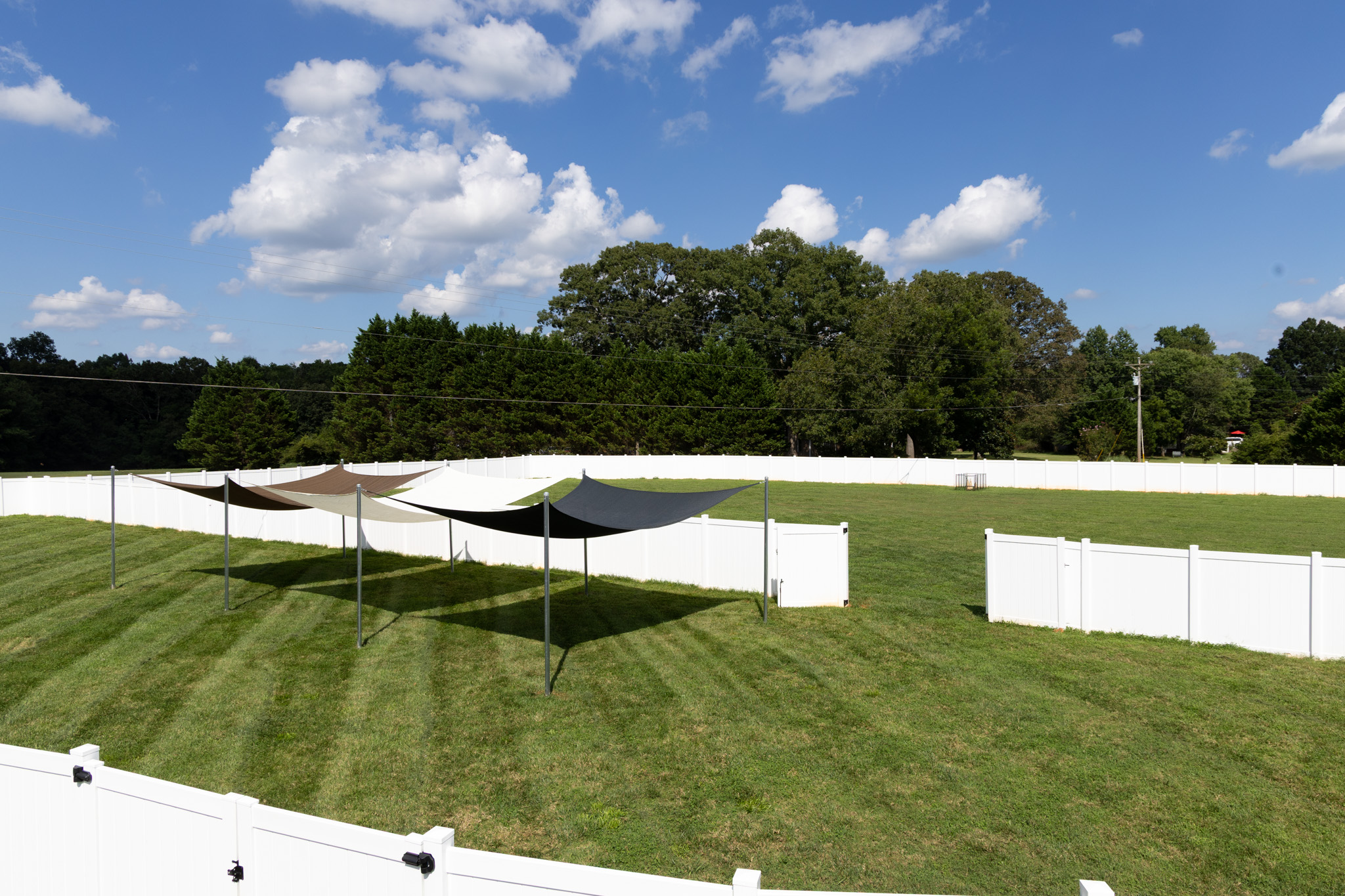
Beyond Playtime: What Quality Dog Boarding and Dog Daycare Really Looks Like
The Moment We Realized Exhaustion Wasn’t the Goal
Early on, we had a dog stay with us who spent nearly the entire first day running nonstop. From the outside, it probably looked like the perfect daycare experience, constant play, endless activity, tail wagging everywhere. But by evening, we noticed something important. The dog wasn’t truly relaxed.
He struggled to settle, became more reactive during interactions, paced continuously, and seemed emotionally overstimulated rather than fulfilled. That experience reinforced something we believe strongly today:
A tired dog is not always a happy dog.
Since then, we’ve become incredibly intentional about how we approach dog daycare and boarding. Because quality care is about far more than simply keeping dogs busy.
It’s about understanding canine behavior well enough to know when dogs need engagement, when they need rest, and when interactions need to be more thoughtfully managed.
Choosing a Dog Boarding or Dog Daycare Facility Is an Act of Trust
Choosing a dog boarding or dog daycare facility is one of the biggest acts of trust a pet owner makes. While many facilities advertise large playgroups and nonstop activity, quality care involves far more than simply putting dogs together in a room.
The best dog daycare and boarding programs focus on far more than entertainment or nonstop activity. When approached thoughtfully, these environments can support confidence-building, healthy socialization, mental stimulation, adaptability to new environments, and overall canine wellness. The key, however, is individualized care, guided interactions, and a balanced environment, because not all dog socialization is created equal.

Why Structure Matters More Than Constant Activity
Many owners associate a “good” daycare experience with an exhausted dog at pickup. But exhaustion should never be the goal.
Dogs need sleep, decompression, and opportunities to disengage throughout the day. Most adult dogs naturally sleep 12–14 hours daily. Facilities that prioritize nonstop stimulation without scheduled rest can unintentionally contribute to overstimulation and stress.
A calm dog is often a happier dog than an exhausted one.
Modern canine behavior research increasingly emphasizes the importance of decompression, and emotional wellbeing in group dog environments. Quality daycare and boarding facilities monitor not only physical activity levels, but also canine stress signals and a dog’s ability to comfortably settle and regulate throughout the day.
Signs of Overstimulation in Dogs
Experienced staff members should know how to recognize early signs of stress and overstimulation in dogs, including excessive barking, mounting behaviors, frantic pacing, lip licking, whale eye, difficulty settling, repeated corrections from other dogs, and hyper-fixation during play. Strong daycare and boarding teams understand how to intervene early, redirect behavior appropriately, separate dogs when needed, and create opportunities for decompression before situations escalate into larger behavioral or safety concerns.

What Quality Dog Socialization Actually Looks Like
One of the biggest misconceptions in the dog world is the belief that socialization simply means dogs constantly interacting with other dogs. In reality, proper socialization is about creating positive, manageable experiences that help dogs feel safe, confident, and comfortable in different environments.
A well-run dog daycare or boarding facility should never feel chaotic. Dogs — much like people, have different personalities, comfort levels, and social batteries. Some dogs thrive in highly social settings, while others need slower introductions, smaller playgroups, quiet decompression areas, additional rest throughout the day, or more individualized attention.
High-quality dog daycare and boarding facilities recognize these differences and tailor their approach accordingly. This often includes thoughtful group sizing, continuous supervision, staff trained in canine body language, appropriately paced play sessions, enrichment beyond open play, and flexibility for different temperaments and energy levels. The best facilities are intentional, not reactive.

Not Every Dog Needs Group Play
A quality facility should also recognize that some dogs simply do not enjoy highly social daycare environments, and that is completely okay. Age, breed tendencies, past experiences, energy level, and temperament all influence what type of environment helps a dog feel most comfortable.
In some cases, smaller social groups, enrichment-focused care, or dog boarding with more human interaction and less group play may be a better fit. This is especially important when considering dog boarding for anxious dogs or dogs that become easily overstimulated in busy environments.
A trustworthy facility should prioritize the dog’s wellbeing over trying to make every dog fit the same daycare model.
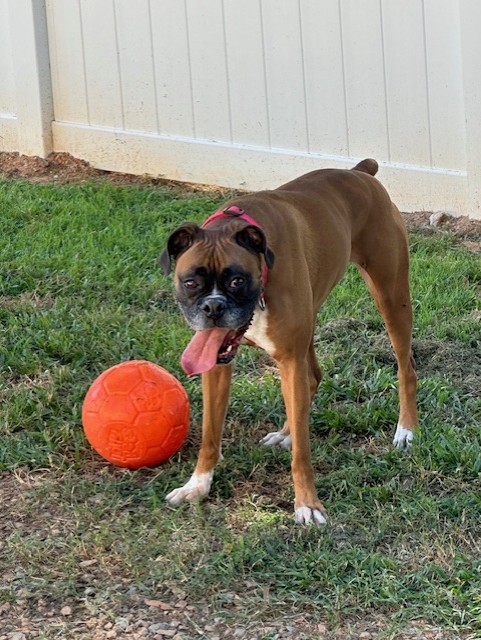
Questions Dog Owners Should Ask
Because approaches vary widely between facilities, owners should ask thoughtful questions before deciding where to leave their dog. In fact, learning how to choose a dog daycare often comes down to asking the right questions and understanding a facility’s overall philosophy around dog daycare safety and individualized care.
Important Questions to Ask a Dog Boarding Facility
- How are dogs grouped for play?
- Are temperament evaluations required?
- Are dogs supervised continuously?
- How are conflicts or overstimulation handled?
- How much rest time do dogs receive during the day?
- Are shy, senior, or lower-energy dogs accommodated differently?
- Is enrichment provided beyond open play?
- Can owners tour the facility?
- What does a typical day look like for the dogs?
The answers to these questions often reveal far more than marketing photos or social media videos will share.
Potential Red Flags to Watch For
Dog owners should also pay attention to warning signs when evaluating a facility.
Potential Dog Daycare and Boarding Red Flags
- Large playgroups with minimal supervision
- Facilities unwilling to provide tours
- Constant activity without visible rest periods
- Overcrowded play areas
- Staff unable to explain grouping methods
- Dogs appearing frantic or continuously barking
- Lack of separation options for different temperaments
- Limited discussion around enrichment or behavior management
A quality facility should be able to clearly explain not just what they do, but why they do it.
The Difference Between Managing Dogs and Understanding Them
At the end of the day, quality dog boarding and daycare are not simply about containment or convenience. It is about creating an environment centered around safety, careful observation, enrichment, and emotional wellbeing. The best facilities focus not only on physical care, but also on helping dogs feel secure, regulated, and comfortable while away from home.
Because the goal should never be nonstop stimulation. The goal should be healthy experiences.
And the best dog boarding and daycare facilities do not simply wear dogs out.
They understand them.

Hi, this is a comment.
To get started with moderating, editing, and deleting comments, please visit the Comments screen in the dashboard.
Commenter avatars come from Gravatar.